MacBook Neo and Outcomes

On a couple of different Jason Snell podcasts this week, he spoke about an ex-colleague on the sales side who said "You need to be considered to be bought" as an explanation for why you would do brand advertising. This is because of the previous part of this phrase, which is that you need to known to be considered.
As I've fought this uphill battle over the past few years with Issuebear and Usermesh, I know very well about how difficult it can be to be known, let alone considered. But on my journey in learning more about sales and marketing I've also learned phrase which I think is relevant to the release of the MacBook Neo and that's "customers buy outcomes, not features".
This is probably the best bit of advice I've had when it comes to marketing products to both business and consumers, because it's not the way a tech-nerd like me thinks. I'm interested in technology, so I'm interested in technology features. How much RAM does it have, how fast is the processor, how big is the screen, how bright can it get, is it a high resolution, is the webcam better than a potato?
Car-nerds are the same. How big an engine does it have? How many cylinders? Can it go from 0-60 in less than 10 seconds?
It is difficult for us to put ourselves in the shoes of the person who is not a nerd in the same way. Most people who buy a car just want to know whether it can handle the outcome they're looking for - which is that they want to be able to drive it from their home to where they work. A MacBook Neo user wants to know whether they can access their email, do their homework or write that report for work. That's mostly a case of whether it can open Google Docs or Microsoft Office.
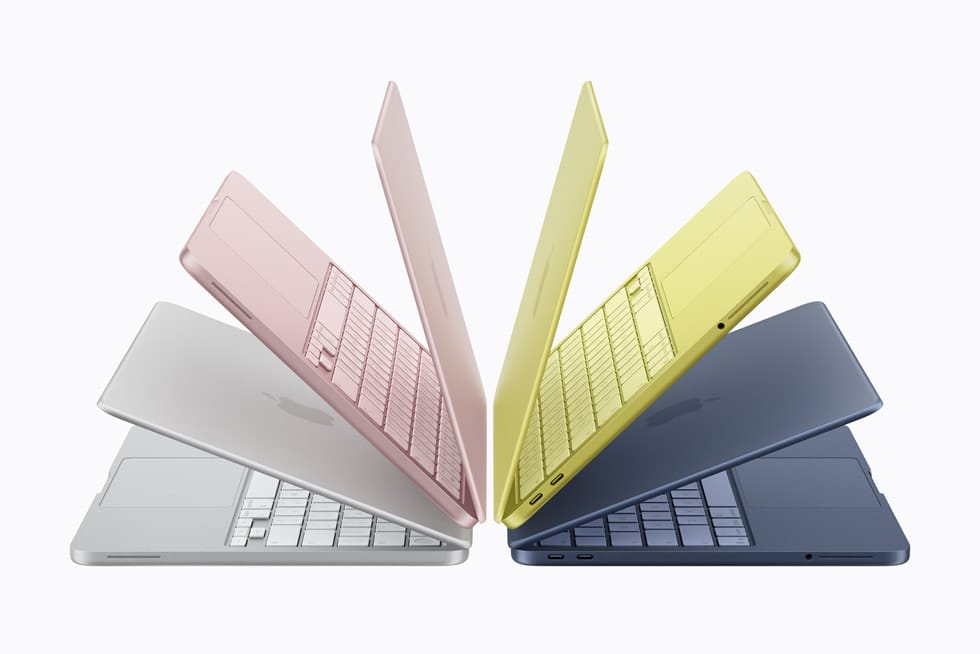
Which is why arguments around RAM and weight and the colours are mostly a waste of time. And it's got nothing to do with whether those users don't know any better, or are being taken advantage of. It's simply that they do not care. And that's OK! The reason why the MacBook Neo is such a good device is because they don't have to care. It will most likely meet the outcome requirements of a great number of people, and one of those outcomes is very likely that they would like to leave the store having only spent $600.
You can try and argue that 8GB is not enough, but that's fine too. You can go spend more than $600.
(As an aside, my wife used an M1 Mac Mini with 8GB RAM a couple of years and had no problem doing all her work on it).
Another story I've seen today is about PC makers who are not prepared. This is really an Intel and AMD problem, much more than it's an Asus or Dell problem. Those manufacturers are being let down by their chip supplier and probably to an equal extent, their OS supplier. But I'm not sure what it is Dell or Asus can do about that, which is why it's often better to own the whole widget.